CPVC FITTINGS About
Heat Resistant Up To 93C Flowing Hot Water
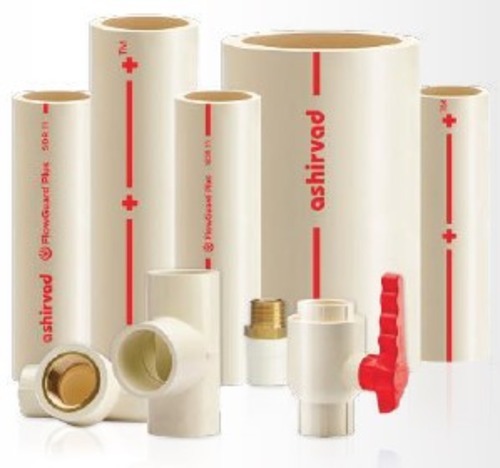
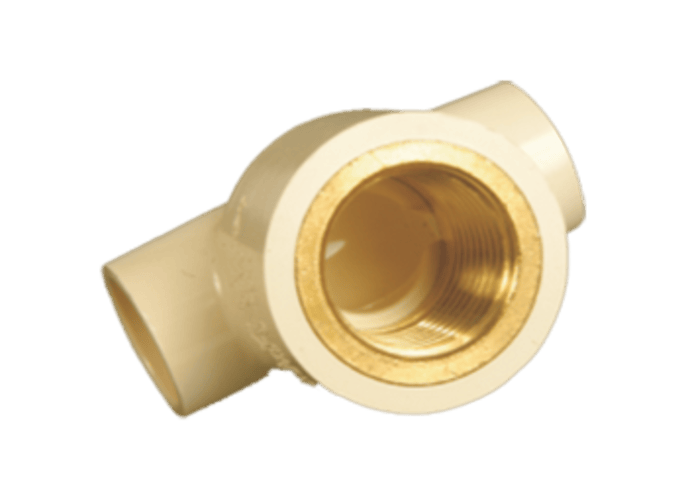
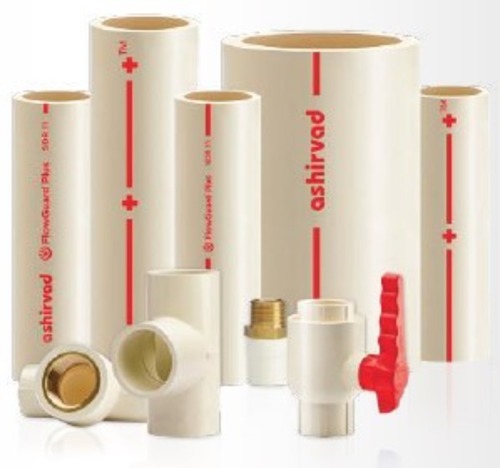
Ashirvad Chlorinated polyvinyl chloride (CPVC) is a thermoplastic ideal for use in plumbing, sanitary, and potable hot and cold water applications. Its heat-defying, anti-corrosion qualities make it suitable for all weather conditions across applications for residential and commercial plumbing systems across the world for more than 50 years.
Superior Chemical and Fire ResistanceCPVC fittings excel in environments exposed to aggressive chemicals, including acids and alkalis, due to their high chemical resistance. They are also self-extinguishing and do not support combustion, making them a safe option for water plumbing systems in various facilities. This dual protection greatly reduces risk, ensuring the longevity and safety of your piping infrastructure.
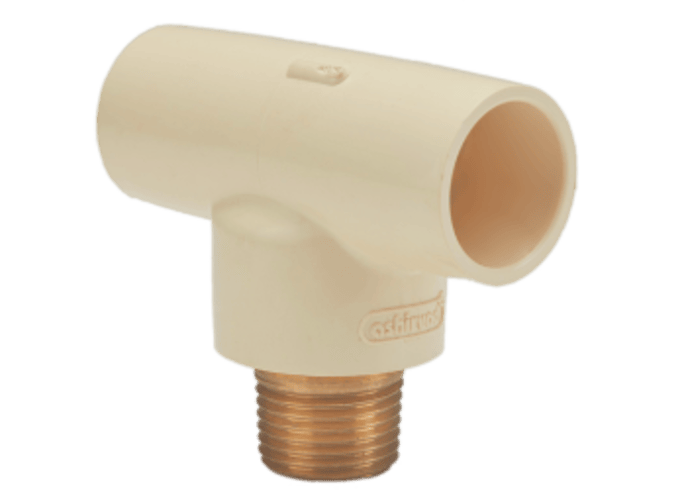
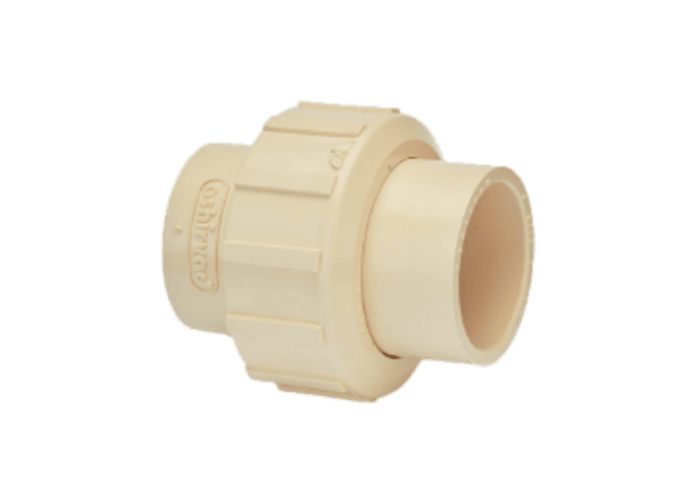
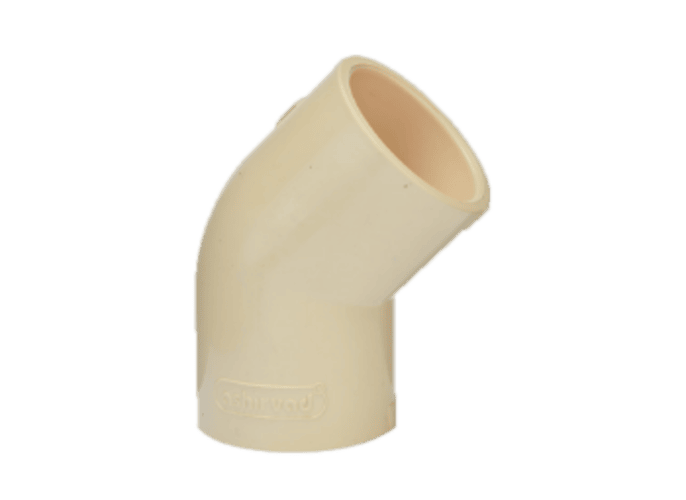
Effortless Installation and MaintenanceDesigned for ease of use, CPVC fittings can be joined quickly by solvent welding or threaded connections. Their smooth, corrosion-proof surface ensures low maintenance, saving time and cost over the lifespan of your water system. Whether for new installations or retrofits, these fittings enhance efficiency, providing reliability in both standard and custom sizes.
FAQ's of CPVC FITTINGS:
Q: How are CPVC fittings installed for water supply applications?
A: CPVC fittings can be installed using solvent welding, threaded connections, or mechanical joints, depending on the application and fitting type. Solvent welding is especially quick and reliable, creating leak-proof joints, while threads or mechanical joints offer versatility for various installation scenarios.
Q: What makes CPVC fittings suitable for both hot and cold water systems?
A: These fittings are engineered to handle temperatures from 0C up to 93C, making them ideal for both hot and cold water plumbing. The low thermal conductivity of CPVC material ensures minimal heat loss and efficient temperature management within the system.
Q: When should CPVC fittings be used instead of traditional metal fittings?
A: CPVC fittings are preferable in environments where corrosion, chemical exposure, or maintenance concerns are present, such as residential, commercial, and industrial water supply networks. Their chemical resistance and self-extinguishing properties provide added benefits over metal alternatives.
Q: Where can I use CPVC fittings with UV resistance?
A: Thanks to their excellent UV resistance, these fittings are particularly suitable for indoor applications where UV exposure is possible, ensuring longevity and maintaining performance integrity over time.
Q: What are the key benefits of choosing food-grade, lead-free CPVC fittings?
A: Selecting CPVC fittings that are food-grade and free from lead ensures the safe transport of drinking water, protecting human health and complying with stringent plumbing standards.
Q: What is the typical maintenance process for CPVC fittings?
A: CPVC fittings require minimal maintenance due to their corrosion-proof, chemical-resistant surface. Routine visual inspections are generally sufficient to ensure the integrity and performance of the system.








 Send Inquiry


 Send Inquiry